
Introduction
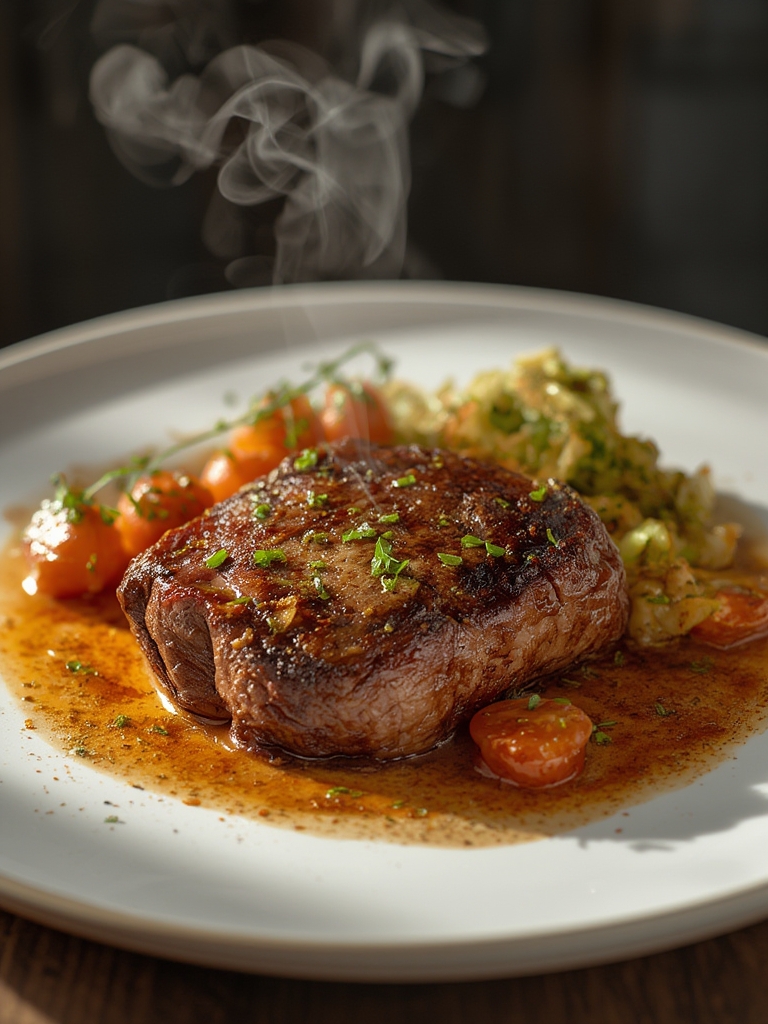
Have you ever dreamed of serving a restaurant-quality beef tenderloin roast at home, only to be intimidated by the thought of overcooking or under-seasoning? You’re not alone. Many home cooks shy away from preparing a melt-in-your-mouth beef fillet for the New Year because it seems complex, but the truth is, with the right technique, anyone can master this show-stopping dish.
Why make this at home? First, it’s far more budget-friendly than ordering at a steakhouse, you’ll pay a fraction of the price for the same premium cut. Second, it’s a healthier option since you control the ingredients, avoiding excess butter, salt, or preservatives. Most importantly, nothing beats the satisfaction of serving a perfectly cooked, juicy, and tender beef fillet to your loved ones during the holidays. Whether you’re hosting a New Year’s Eve dinner or a cozy family gathering, this beef tenderloin roast will leave everyone impressed.
In this guide, I’ll walk you through every step, from selecting the best cut to achieving that buttery, melt-in-your-mouth texture. By the end, you’ll have the confidence to prepare this luxurious yet approachable dish like a pro.
Table of Contents
Table of Contents
Ingredients & Equipment
Ingredients (Serves 6-8)
– 1 whole beef tenderloin (4-5 lbs / 1.8-2.3 kg) – Look for a well-trimmed, center-cut piece with even thickness.
– 2 tbsp olive oil (or avocado oil for higher smoke point)
– 4 tbsp unsalted butter, softened
– 4 garlic cloves, minced
– 2 tbsp fresh rosemary, finely chopped (or 1 tbsp dried)
– 2 tbsp fresh thyme, finely chopped (or 1 tbsp dried)
– 1.5 tsp kosher salt (adjust to taste)
– 1 tsp black pepper, freshly ground
– 1 tsp smoked paprika (optional, for depth)
– ½ cup dry red wine (like Cabernet Sauvignon) or beef broth for deglazing
Substitutions & Dietary Adjustments
– Gluten-free? This recipe is naturally gluten-free.
– Dairy-free? Replace butter with olive oil or vegan butter.
– Low-sodium? Reduce salt and rely on herbs for flavor.
– No wine? Use beef or mushroom broth instead.
Equipment Needed
– Large oven-safe skillet (cast iron or stainless steel)
– Meat thermometer (essential for perfect doneness)
– Kitchen twine (if your tenderloin needs trimming)
– Sharp chef’s knife (for trimming fat)
– Cutting board
– Basting spoon or brush
– Aluminum foil (for resting)
– Carving fork & slicing knife
Prep & Cooking Time
– Prep Time: 20 minutes
– Cook Time: 25-40 minutes (depending on thickness)
– Resting Time: 15 minutes
– Total Time: ~1 hour
– Servings: 6-8
This beef tenderloin roast is surprisingly quick for such an elegant dish, ready in under an hour from start to finish. It’s also a great make-ahead option: you can season it the night before and let it marinate in the fridge for even deeper flavor.
Step-by-Step Instructions
1. Prepare the Beef Tenderloin
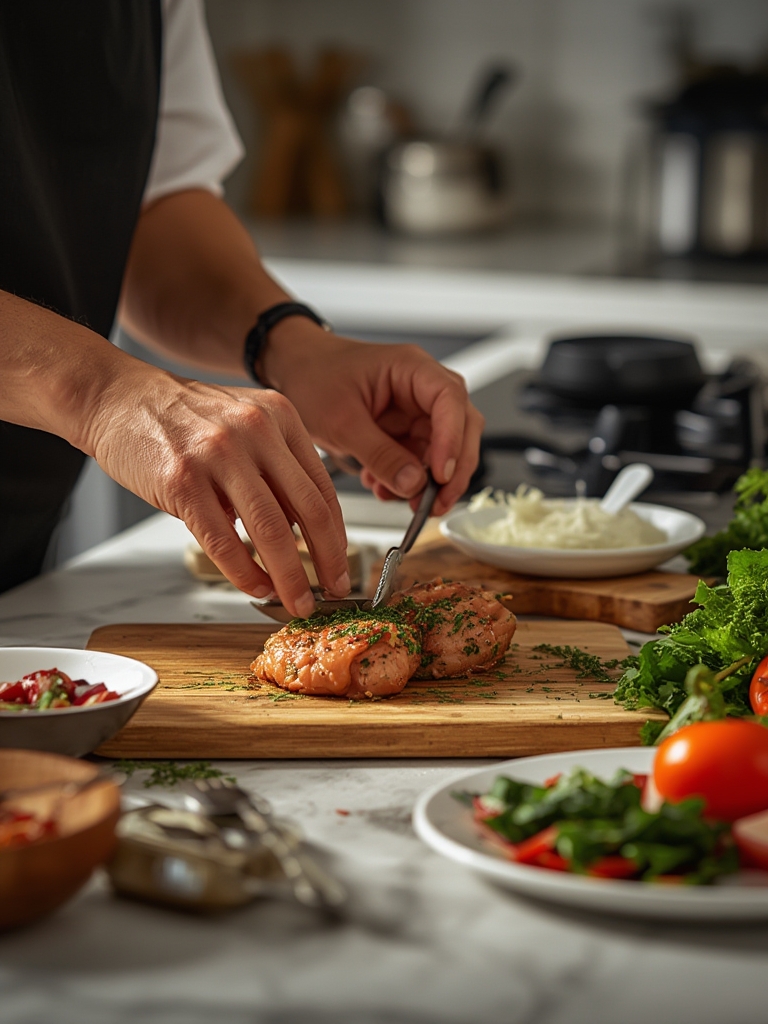
– If your beef tenderloin still has the silver skin (a tough membrane), use a sharp knife to carefully remove it.
– Pat the meat completely dry with paper towels—this ensures a perfect sear.
– Tie the tenderloin with kitchen twine if it’s uneven, so it cooks uniformly.
2. Season Generously
– In a small bowl, mix softened butter, minced garlic, rosemary, thyme, salt, pepper, and smoked paprika.
– Rub the herb butter mixture all over the beef fillet, coating it evenly. Let it sit at room temperature for 30 minutes (or refrigerate overnight for deeper flavor).
3. Sear the Beef
– Preheat your oven to 425°F (220°C).
– Heat olive oil in a large oven-safe skillet over high heat until smoking.
– Sear the beef tenderloin on all sides (about 2-3 minutes per side) until a golden-brown crust forms.
4. Roast to Perfection
– Transfer the skillet to the preheated oven.
– Roast for 15-25 minutes, depending on thickness, until the internal temperature reaches:
– 125°F (52°C) for rare
– 130°F (54°C) for medium-rare (recommended for melt-in-your-mouth tenderness)
– 140°F (60°C) for medium
– Baste the beef with pan juices every 5-7 minutes for extra flavor.
5. Rest & Slice
– Remove the beef fillet from the oven and transfer it to a cutting board.
– Loosely tent with foil and let it rest for 15 minutes—this keeps it juicy and tender.
– While resting, deglaze the pan with red wine or broth, scraping up browned bits for a quick pan sauce.
– Slice against the grain into ½-inch thick pieces and serve with the sauce.
Taste, Texture & Serving Ideas
Flavor & Texture
This beef tenderloin roast is luxuriously tender, with a buttery, melt-in-your-mouth texture and a rich, herby crust. The garlic and rosemary infuse every bite, while the red wine pan sauce adds a sophisticated depth.
Serving Suggestions
– Classic Pairings: Creamy mashed potatoes, roasted garlic green beans, or a winter salad with pomegranate.
– Holiday Feast: Serve with Yorkshire puddings, horseradish cream, and red wine reduction.
– Light Option: Pair with quinoa pilaf and steamed asparagus for a healthier twist.
– Wine Pairing: A bold Cabernet Sauvignon or Pinot Noir complements the rich flavors.
Best served hot off the carving board, this dish is perfect for New Year’s Eve, Christmas, or any special occasion where you want to impress without stress.
Nutritional Benefits / Advantages
– High in Protein (about 25g per serving) – Great for muscle repair and satiety.
– Rich in Iron & B Vitamins – Supports energy levels and immune function.
– Lower in Fat (compared to ribeye or strip steak) – A leaner yet indulgent cut.
– No Artificial Additives – Unlike store-bought roasts, you control the ingredients.
– Keto & Low-Carb Friendly – Naturally free of carbs and sugars.
This beef fillet fits perfectly into a balanced diet, offering high-quality protein without excessive calories when portioned mindfully.
Variations, Substitutions & Cooking Tips
Flavor Variations
– Balsamic & Honey Glaze – Drizzle with a reduction of balsamic vinegar and honey before serving.
– Coffee & Spice Rub – Add 1 tsp instant coffee + ½ tsp cayenne to the herb butter for a smoky kick.
– Mushroom Crust – Sauté finely chopped mushrooms and press them onto the beef before roasting.
Cooking Method Alternatives
– Reverse Sear (Best for Even Cooking):
– Slow-roast at 250°F (120°C) until 10°F below target temp, then sear in a hot pan.
– Sous Vide (For Precision):
– Cook at 130°F (54°C) for 2-4 hours, then sear for a perfect medium-rare.
– Grill Method:
– Sear over direct heat, then move to indirect heat to finish.
Scaling & Dietary Adjustments
– For a Crowd: Buy a larger tenderloin (6-8 lbs) and adjust cooking time (add 5-10 minutes).
– For Two: Use a 1.5-2 lb center-cut fillet and reduce roasting time to 12-18 minutes.
– Kid-Friendly: Serve with mild gravy or ketchup (yes, some kids love it!).
Common Mistakes to Avoid
1. Skipping the Resting Time
– Mistake: Slicing too soon causes juices to escape, leaving the meat dry.
– Fix: Always rest for 15 minutes—this lets fibers relax and retain moisture.
2. Overcrowding the Pan
– Mistake: Too much meat in the pan lowers temperature, preventing a good sear.
– Fix: Use a large skillet or sear in batches if needed.
3. Not Using a Meat Thermometer
– Mistake: Guessing doneness leads to overcooked, tough beef.
– Fix: Invest in a digital thermometer, it’s a game-changer.
4. Using Cold Meat
– Mistake: Cooking straight from the fridge causes uneven cooking.
– Fix: Let it sit at room temp for 30 minutes before searing.
5. Over-Seasoning with Salt Too Early
– Mistake: Salting too soon can draw out moisture, making the surface wet.
– Fix: Salt just before cooking or use a dry brine (salt 1 hour ahead and pat dry).
Storage, Freezing & Reheating Tips
Storing Leftovers
– Fridge: Store sliced beef in an airtight container for up to 3 days.
– Freezer: Wrap tightly in plastic wrap + foil for up to 3 months.
Reheating Without Drying Out
– Oven Method: Place slices on a wire rack over a baking sheet at 250°F (120°C) for 10-15 minutes until warmed.
– Sous Vide (Best for Texture): Reheat in a 130°F (54°C) water bath for 30 minutes.
– Skillet Method: Quickly sear in a hot pan with a splash of broth for 1-2 minutes per side.
Make-Ahead Tips
– Season & Refrigerate: Rub with herbs up to 24 hours ahead for deeper flavor.
– Pre-Sear: Sear the beef 1 hour before roasting, then finish in the oven when ready.
Conclusion
Mastering a melt-in-your-mouth beef fillet for the New Year is easier than you think, no fancy culinary degree required. With this foolproof guide, you’ll serve a restaurant-worthy beef tenderloin roast that’s juicy, flavorful, and impressively tender every time.
Not only is this dish cost-effective compared to dining out, but it’s also healthier, customizable, and perfect for celebrations. Whether you’re hosting a holiday feast or treating your family to a special weekend meal, this recipe guarantees compliments and second helpings.
Ready to wow your guests? Try this recipe, and don’t forget to leave a rating or comment below, I’d love to hear how your beef fillet turned out! For more elegant yet easy recipes, explore my dinner ideas collection.
FAQs
Can I use a different cut of beef?
Yes, but beef tenderloin is the most tender. Alternatives:
– Ribeye roast (more marbling, richer flavor)
– Strip loin (leaner but less tender)
Avoid tough cuts like chuck roast for this method.
How do I know when the beef is done without a thermometer?
Use the touch test:
– Rare: Soft, like the base of your thumb when touching index finger.
– Medium-Rare: Slightly firm, like touching thumb to middle finger.
However, a thermometer is highly recommended for accuracy.
Can I make this in an air fryer?
Yes! Sear in a pan first, then air fry at 400°F (200°C) for 10-15 minutes, checking temp frequently.
What if my beef fillet is uneven in thickness?
Fold the thinner end under and tie it with twine to create even thickness for consistent cooking.
How can I make a quick pan sauce?
After roasting, deglaze the pan with ½ cup red wine or broth, simmer for 3-5 minutes, then whisk in 1 tbsp butter for a glossy, rich sauce.
Now, grab your apron and get cooking, your perfect beef tenderloin roast awaits!
